Understanding the Cost of Professional Septic Services

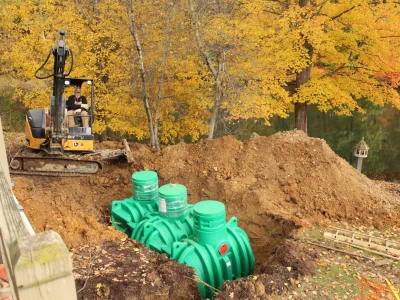

For most homeowners, septic work is not something they think about until a toilet gurgles, a drain slows down, or a damp patch appears where the yard should be dry. That is part of what makes septic costs feel unpredictable. The system is buried, the warning signs are easy to miss, and by the time a problem becomes obvious, the bill can range from manageable routine maintenance to a major repair that disrupts the property and the household budget.
Professional septic services cover a wide span of work. A simple inspection is one thing. Pumping a neglected tank is another. Tracking down a crushed line, replacing a baffle, repairing a pump, or dealing with a failed drain field belongs to a different category altogether. The price difference between those jobs is not arbitrary. It reflects labor, equipment, travel, regulations, soil conditions, and how long the issue has been developing before someone calls for help.
Homeowners are often less frustrated by the number on the invoice than by not understanding where that number came from. Once you know what drives septic pricing, it becomes much easier to budget, ask better questions, and avoid paying for preventable damage.
Why septic work varies so much in price
A septic system looks simple on paper. Wastewater leaves the house, enters the tank, solids settle, liquids move onward, and the soil finishes the treatment process. In practice, every property adds its own complications. One system may be easy to reach, recently maintained, and built on dry, cooperative soil. Another may be buried deep, overdue for service, installed on a tight lot, and showing signs of long-term stress.
That is why two neighbors can both call for septic services and receive very different estimates.
Access is one of the first variables. If the contractor can drive a pump truck close to the tank, locate the lid quickly, and work without excavation, the job is straightforward. If the tank lid is buried under several inches of soil, landscaping, a deck extension, or decorative stone, labor increases immediately. Crews may need extra time just to find and uncover the access point.
Tank size matters too. A smaller tank serving a modest household usually costs less to pump than a large tank that has been handling a busy home with frequent laundry, guests, and high water use. Disposal fees are also part of the equation. Septic waste has to be handled and disposed of properly, and those charges vary by region.
Then there is the condition of the system itself. A tank that has been pumped on schedule is usually a routine stop. A tank that has not been serviced for years can be heavier with solids, harder to work with, and more likely to reveal hidden wear once it is opened. Sometimes a homeowner calls for what sounds like routine pumping, only for the technician to discover a cracked lid, deteriorated inlet baffle, root intrusion, or evidence that wastewater is backing up beyond the tank.
The baseline services most homeowners pay for
Routine septic services usually fall into a handful of categories, each with its own typical pricing range. Exact numbers depend on local market conditions, but the structure of the costs is fairly consistent.
An inspection is often the least expensive professional visit. A basic inspection may involve locating the tank, opening access points, checking liquid levels, observing flow, and noting visible concerns. If the property is being sold, the inspection may be more formal and more expensive. Real estate transactions often require documentation, dye testing, and a more thorough assessment of components and capacity.
Pumping is the service most people associate with septic maintenance. In many areas, homeowners can expect a routine pump-out to land somewhere in the low hundreds of dollars, sometimes more if the tank is large or the site is difficult. A standard residential pumping job can climb when crews need to dig, make repeated attempts to locate the tank, or handle unusual waste loads.
Cleaning and pumping are not always identical in the way companies use the terms. Some firms quote a basic pump-out, while others include more thorough cleaning of residue, inspection of internal components, or rinsing as part of the same service. It is worth asking exactly what is included, because two quotes with similar prices may not cover the same work.
Repairs vary widely. Replacing a filter or riser is a modest job compared with repairing a broken pipe or replacing an effluent pump. Once excavation or electrical diagnostics enter the picture, labor and equipment costs rise quickly.
What typically affects the final invoice
The biggest pricing differences usually come from a few recurring factors:
- Tank size and system design
- Ease of access to the tank, lids, and lines
- Condition of components such as baffles, filters, pumps, and alarms
- Local labor, disposal, and permitting costs
- Emergency timing, especially weekends, holidays, or same-day calls
These factors combine in ways homeowners do not always see. A call that starts as "my tank needs pumping" may turn into "the access lid is buried, the outlet filter is clogged, and the high-water alarm is active." None of those items is unusual on its own, but together they change the scope of work.
I have seen one common version of this play out many times. A family notices slow drains before a holiday weekend, puts off calling because guests are arriving, then reaches out on Saturday morning when the downstairs bathroom stops working entirely. The service company arrives after hours, digs up a concealed lid, pumps the tank, and discovers the real problem is a failed effluent pump in a pressure system. The homeowner remembers only that "septic service cost a fortune." From the contractor's side, the invoice reflects emergency dispatch, diagnosis, pumping, pump replacement, and often a return trip.
Pumping costs, and why regular scheduling matters
Routine pumping is usually the most cost-effective septic service a homeowner can buy. That sounds self-serving when said by someone in the industry, but it holds up in practice. A regularly pumped tank protects the drain field, reduces solids carryover, and gives technicians repeated opportunities to spot early warning signs.
Most households should expect to pump every three to five years, though that is only a rule of thumb. A small tank serving a large family may need more frequent service. A vacation property used lightly may go longer. Garbage disposal use, laundry habits, and the presence of a water softener can all affect accumulation rates.
Cost rises when pumping gets deferred too long. Thick sludge can reduce working volume in the tank. Solids can move where they do not belong. Effluent filters clog faster. If the drain field begins receiving more suspended solids than it was designed for, the consequences become far more expensive than the skipped maintenance.
A routine pumping visit often doubles as a practical checkup. Technicians can look at scum and sludge levels, inspect visible components, and flag concerns before they become emergencies. That may mean a homeowner spends a little more during a maintenance visit than they expected, perhaps for a filter cleaning, riser installation, or lid replacement, but those are usually controlled expenses compared with property damage or system failure.
Inspection fees are about information, not just a checkbox
People sometimes resist paying for a septic inspection because the system appears to be "working fine." The problem is that septic systems can degrade quietly. By the time wastewater surfaces in the yard or backs up into the home, the damage is already advanced.
A professional inspection can be especially valuable in four situations: when buying a home, after a long period without maintenance records, after heavy occupancy changes, or when small symptoms keep repeating. Gurgling drains, odors after rain, and a patch of unusually green grass are not always dramatic enough to force immediate action, but they deserve informed attention.
The cost of an inspection usually reflects how far the technician needs to go. A visual check and tank-level observation are less involved than a transaction-related inspection with documentation and functional testing. If components are buried or hard to access, that adds labor. If a system includes pumps, floats, alarms, or multiple compartments, there is more to evaluate.
Good inspection money often prevents bad repair money. I have seen homeowners spend thousands restoring landscaping after a sewage backup that might have been avoided with a modest inspection six months earlier. The inspection itself did not fix anything, but it would have revealed that the tank was overdue, the outlet filter was neglected, and the pump chamber was not cycling properly.
Repair costs can escalate quickly, but not always for the reason you think
When septic repair estimates surprise homeowners, they often assume the company is pricing for worst-case profit. More often, the cost is tied to uncertainty and excavation. Underground work carries more variables than a simple appliance repair. A technician can suspect a collapsed line, a separated joint, or a failing pump, but confirmation may require digging, testing, or both.
Minor repairs are often reasonable. Replacing a worn lid, damaged riser seal, or clogged effluent filter usually falls on the lower end of septic service pricing. https://www.flickr.com/people/204701822@N05/ Replacing an outlet baffle or section of accessible piping costs more, but it is still within reach for many households.
The numbers get steeper when heavy equipment is needed, when soil is saturated, or when repairs affect the drain field. Drain field issues are among the most expensive septic problems because they involve not only pipes and gravel or chambers, but also site conditions, absorption capacity, and local code requirements. Once the soil treatment area is compromised, a contractor may be limited in what can be repaired versus what must be replaced.
Pump systems deserve separate mention. Homes with lift stations or pressure distribution have mechanical components that gravity systems do not. Pumps, floats, alarms, control panels, and electrical connections all add maintenance and replacement costs over time. These systems often perform very well when maintained, but they are not "set it and forget it" installations.
Hidden costs that catch homeowners off guard
Some septic bills grow because of add-on work that the homeowner did not realize would matter. These charges are not necessarily unreasonable, but they can feel abrupt without context.
Locating a tank can be one of them. Older properties do not always have accurate records, and lids may be deeply buried. If crews spend an extra hour probing, tracing lines, or using locating equipment, that labor shows up somewhere. Digging is another. Many companies quote pumping separately from excavation because some tanks are fully accessible and others are not.
Permits can add cost, especially for substantial repairs or replacements. Local health departments may require approvals, site evaluations, or inspections. The contractor does not pocket those fees, but the homeowner still sees them on the project total.
Restoration work matters too. If a repair requires excavation across lawn, gravel, or planting beds, someone has to restore the site afterward. Some estimates include basic backfill only. Others include grading, seeding, or more complete restoration. One homeowner may be satisfied with disturbed soil that settles over time. Another may expect the yard to look untouched a week later. Those expectations affect price.
Emergency response deserves its own category. Septic problems rarely arrive at convenient times. Nights, weekends, holidays, frozen ground, and storm-soaked conditions all increase the effort needed to solve the same underlying issue.
Cheap septic service can be expensive in the long run
There is real value in comparing prices, but the lowest quote is not always the best buy. With septic work, homeowners are often paying for judgment as much as pumping capacity or labor hours. A technician who recognizes the early signs of drain field stress, knows the local soils, and takes time to inspect internal tank components may save a customer far more than the difference between two service calls.
The cheapest provider may only perform the narrow task requested. If that task is enough, great. If it is not, the homeowner can end up paying twice. I have seen a property owner hire a bargain pump-out crew that emptied the tank but never mentioned the broken outlet tee. A few months later, solids had moved downstream and a larger repair followed. The first invoice looked attractive. The combined total did not.
That does not mean the most expensive company is automatically better. It means homeowners should ask what is included. Does the price cover locating the tank? Opening lids? Inspecting baffles? Cleaning the filter? Measuring sludge? Providing notes on system condition? Disposal fees? Basic advice on next maintenance timing? Clarity matters more than a flashy promise.
How homeowners can keep septic costs under control
There are practical ways to reduce long-term septic spending without cutting corners:
- Keep a pumping schedule based on household size and tank use
- Install risers if lids are buried, because easier access lowers future service labor
- Spread out water use, especially laundry, to avoid overloading the system
- Keep records of inspections, pumping dates, and repairs
- Call early when symptoms appear, before a backup turns into an emergency
The recordkeeping point is more valuable than it sounds. A simple folder with invoices, dates, tank size, sketch of location, and repair history saves time on future visits. It also helps when selling the house. Buyers and inspectors tend to respond well when the owner can show a clear maintenance history instead of saying, "I think it was pumped a while back."
Water management is another quiet cost saver. Septic systems handle wastewater, but they do not like sudden hydraulic surges. Running several loads of laundry back to back, long showers for a full house of guests, and leaking fixtures can all stress the system. The result may not be immediate failure, but over time it shortens the margin for error.
Replacement is where costs become life-changing
Most homeowners asking about septic services are thinking about pumping or repair, but replacement is the number that truly shakes people. A full septic system replacement can run into the many thousands, sometimes well beyond what families expect. The reason is simple. Replacement involves design, permitting, excavation, materials, labor, site constraints, and often significant coordination with local authorities.
Soil conditions and lot limitations drive much of the cost. A roomy property with suitable soil and easy access is far easier to work on than a steep lot, high water table, shallow bedrock, or site hemmed in by wells, property lines, and buildings. Alternative systems, which may be necessary where conventional systems will not work, add more equipment and more complexity.
No homeowner wants to hear that replacement is on the table. Still, the path to that outcome often starts with deferred basic service. Not every old system can be saved indefinitely, but many expensive failures develop after years of overdue pumping, ignored warning signs, or unmanaged water use.
What a fair estimate should look like
A trustworthy estimate for septic services does not need to be filled with technical jargon, but it should be specific enough that the homeowner understands what they are buying. Vague language tends to hide scope gaps. A useful quote explains the service being performed, the assumptions behind the price, and what conditions could change the total.
For example, a pumping estimate may be based on a standard residential tank with accessible lids and normal hauling conditions. If the contractor later finds the tank is larger than expected or buried well below grade, the invoice may change for understandable reasons. What matters is whether those possibilities were mentioned upfront.
For repairs, the best companies usually explain both the immediate fix and the system context. Replacing a component is one thing. Explaining why it failed, what effect it had on the rest of the system, and what the homeowner should watch next is what separates routine labor from professional septic service.
The real cost is not always on the invoice
There is the direct price of septic services, and then there is the cost of disruption. A backed-up bathroom during a family gathering, a torn-up yard after emergency excavation, a delayed home sale because the inspection raised unanswered questions, these all have a value even if they are not listed line by line.
That is why the smartest money in septic ownership usually goes toward boring things. Timely pumping. Good records. Small repairs handled before they spread. A professional inspection when occupancy changes or warning signs appear. None of that feels dramatic. It just keeps the dramatic bills from showing up.
For homeowners trying to make sense of pricing, the goal is not to memorize every possible septic charge. It is to understand the pattern. Routine service tends to be affordable. Complexity, delay, access problems, and emergencies drive costs upward. If you know that going in, professional septic services stop feeling mysterious and start looking like what they really are: a mix of maintenance, risk management, and skilled field work beneath the surface of the property.
Excavating New Jersey LLC
Address: 406 County Rd 565, Wantage, NJ 07461
Phone number: +19737914284
FAQ About Septic Services
What is the average cost to get a septic tank emptied?
Emptying a septic tank costs between $290 and $560 on average, with most homeowners paying about $420. Prices vary based on tank size.
What is septic service?
Septic service inspects, pumps, cleans, and maintains a septic tank. A septic tank is a large, underground container that collects and treats wastewater from your home. Over time, sludge, scum, and other debris, like hair and solids, can build up in your tank and clog your drain field.
How often should you have a septic tank serviced?
A standard septic tank should be inspected every 1 to 3 years and pumped every 3 to 5 years. However, the exact schedule depends on your tank's capacity, household size, and daily water usage.